
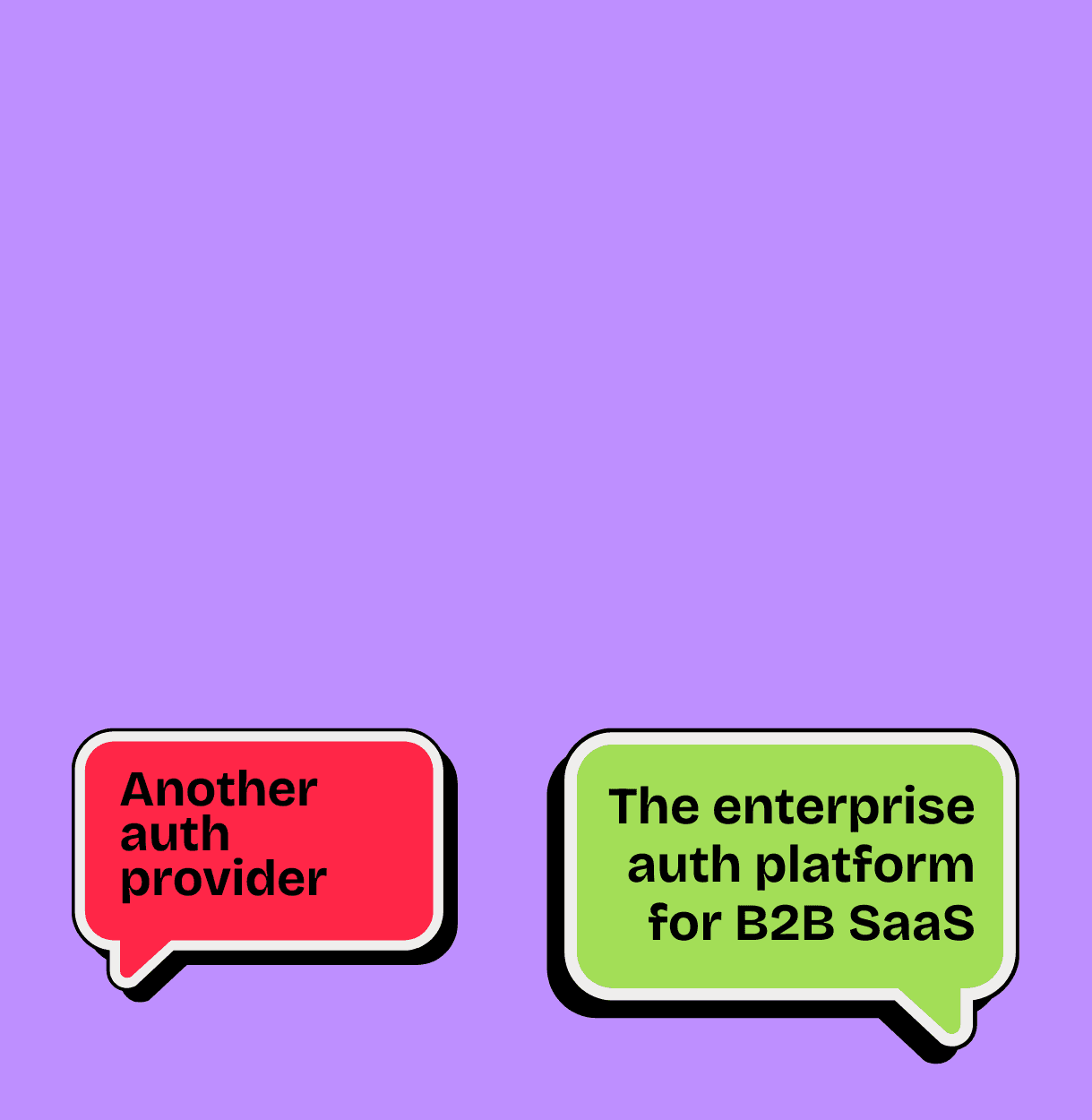
Scalekit, a developer-focused authentication platform for B2B SaaS, was struggling to differentiate itself in a crowded market. Despite having unique organization-first architecture, they were perceived as "just another auth provider."
In 5 weeks, we transformed their positioning from generic to category-defining, creating a unified narrative that the sales team actually uses in conversations.
About The Company
Scalekit is a developer-focused authentication platform purpose-built for B2B SaaS applications. Unlike consumer-first auth providers, Scalekit's organization-first architecture simplifies enterprise customer onboarding with ready-to-deploy SSO and SCIM SDKs. The product targets fast-growing SaaS startups scaling into enterprise deals.
The Problem
Lost in a Crowded Market







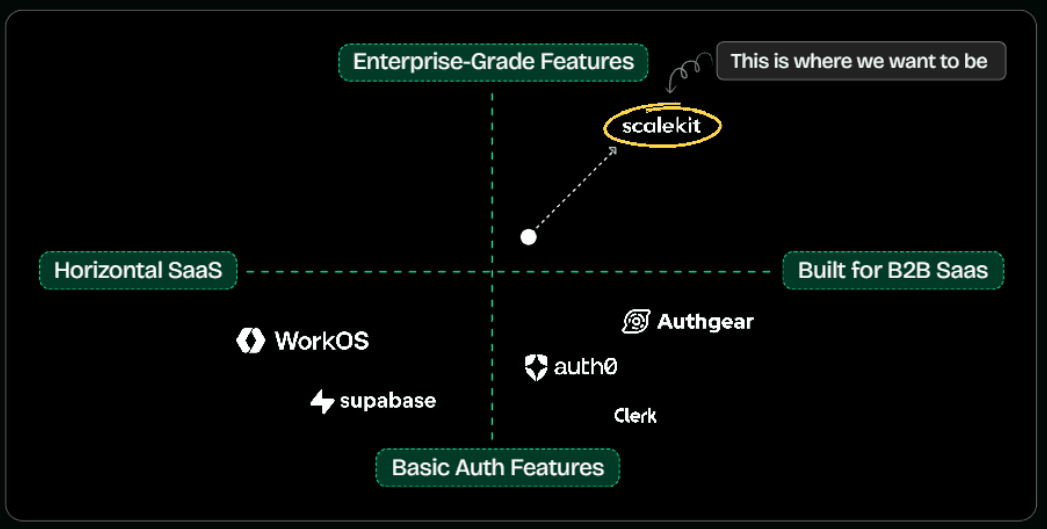
Despite occupying a unique position, Scalekit faced three critical messaging challenges:
Unclear differentiation: Prospects couldn't understand what made Scalekit fundamentally different from Auth0 or Clerk
Inconsistent messaging: Different stories across website, sales calls, and documentation created confusion
Feature-focused language: Technical capabilities overshadowed business outcomes executives cared about
Our Approach
We aimed to position Scalekit to drive conversions, not just explain features.
Success meant:
Our approach: Get the strategy right before executing tactics.
The Solution
We divided the work into five phases, with each step building on the previous one.

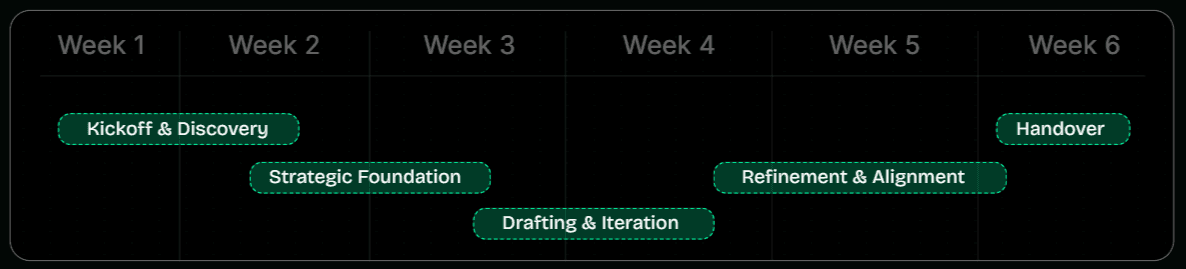
1. Problem Discovery & Diagnosis
The key insight:
Scalekit's organization-first architecture eliminated the customization tax B2B teams pay with consumer-first platforms, but this was buried as a feature detail instead of positioned as the strategic differentiator. The messaging didn't define the category Scalekit was creating: enterprise auth purpose-built for B2B SaaS.
2. Strategic Foundation
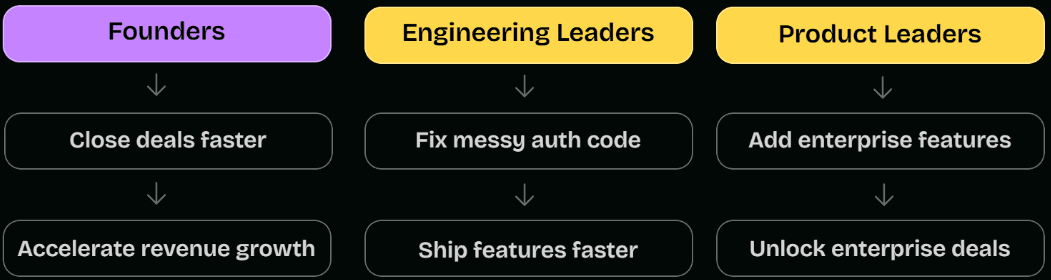
This revealed that competitors like Auth0 and Clerk weren't built for B2B teams, making much of the competition irrelevant.
We created a positioning framework mapping competitive alternatives to Scalekit's differentiation:
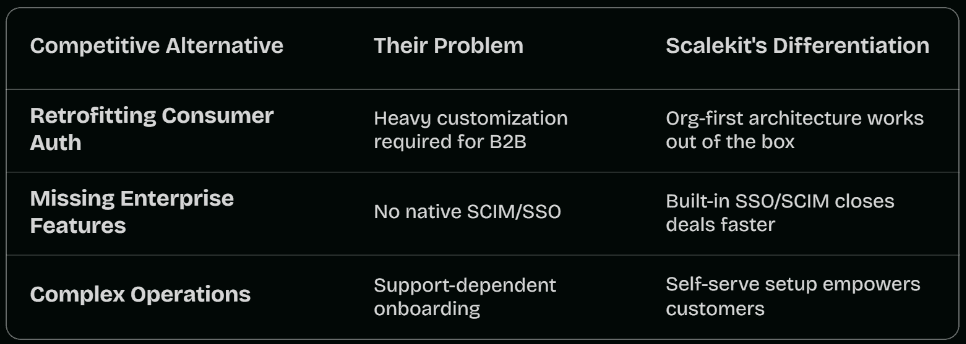
Three-column comparison showing Alternative, Problem, Differentiation.
3. Building The Narrative
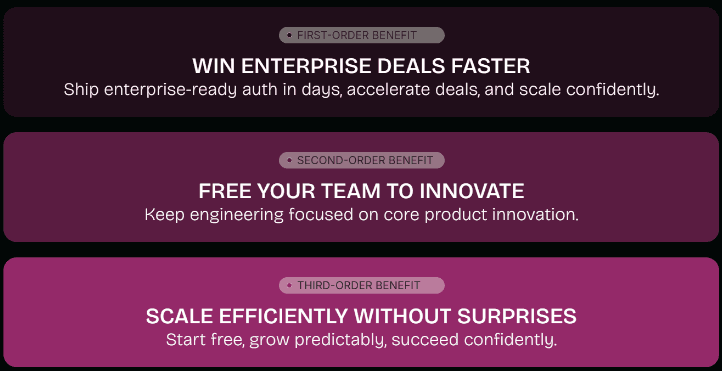
The Core Narrative: "Ship SSO and SCIM in days, not months. Organization-first architecture eliminates engineering overhead."
This worked because it led with speed (the metric prospects cared about), introduced the differentiator in context, and promised both velocity and quality.
Before:
"Scalekit provides authentication and user management APIs for B2B SaaS applications with SSO and SCIM support."
After:
"Ship SSO and SCIM in days, not months. Purpose-built for B2B SaaS teams who need enterprise auth without the enterprise complexity."
4. Establishing Guardrails
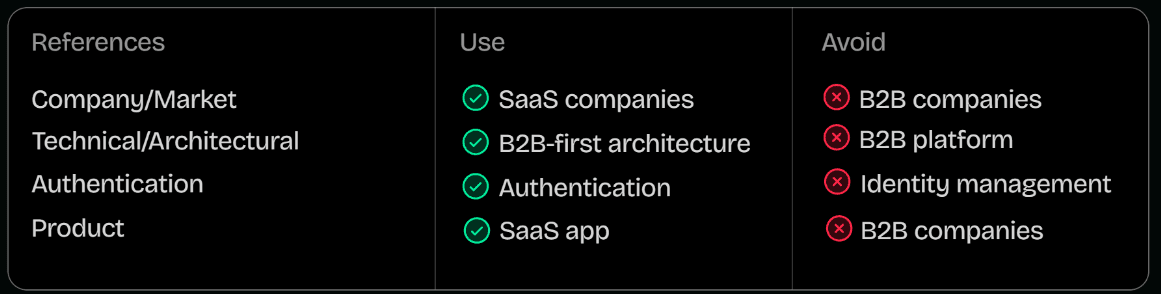
Terms like "B2B platform or "B2B company" would weaken the differentiation. Using consistent terminology will support the core positioning through the growth phase.
5. Bringing Strategy To Life
Our copy approach We tested multiple hero section variations before landing on the final version. Each version explored a different angle as we needed to balance three priorities:
Immediate clarity (what is this?)
Differentiation (why Scalekit?)
Time to value (how fast?)
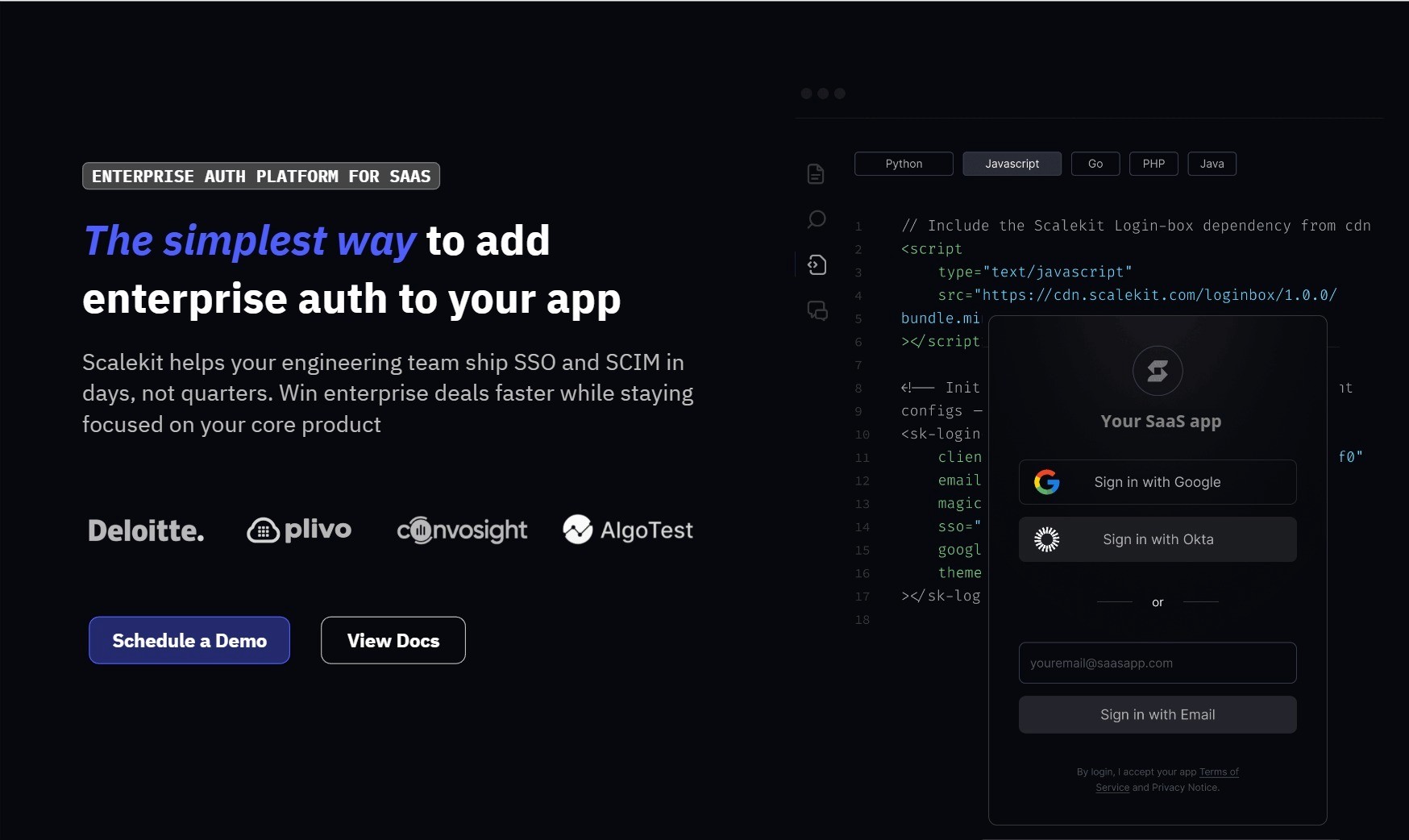


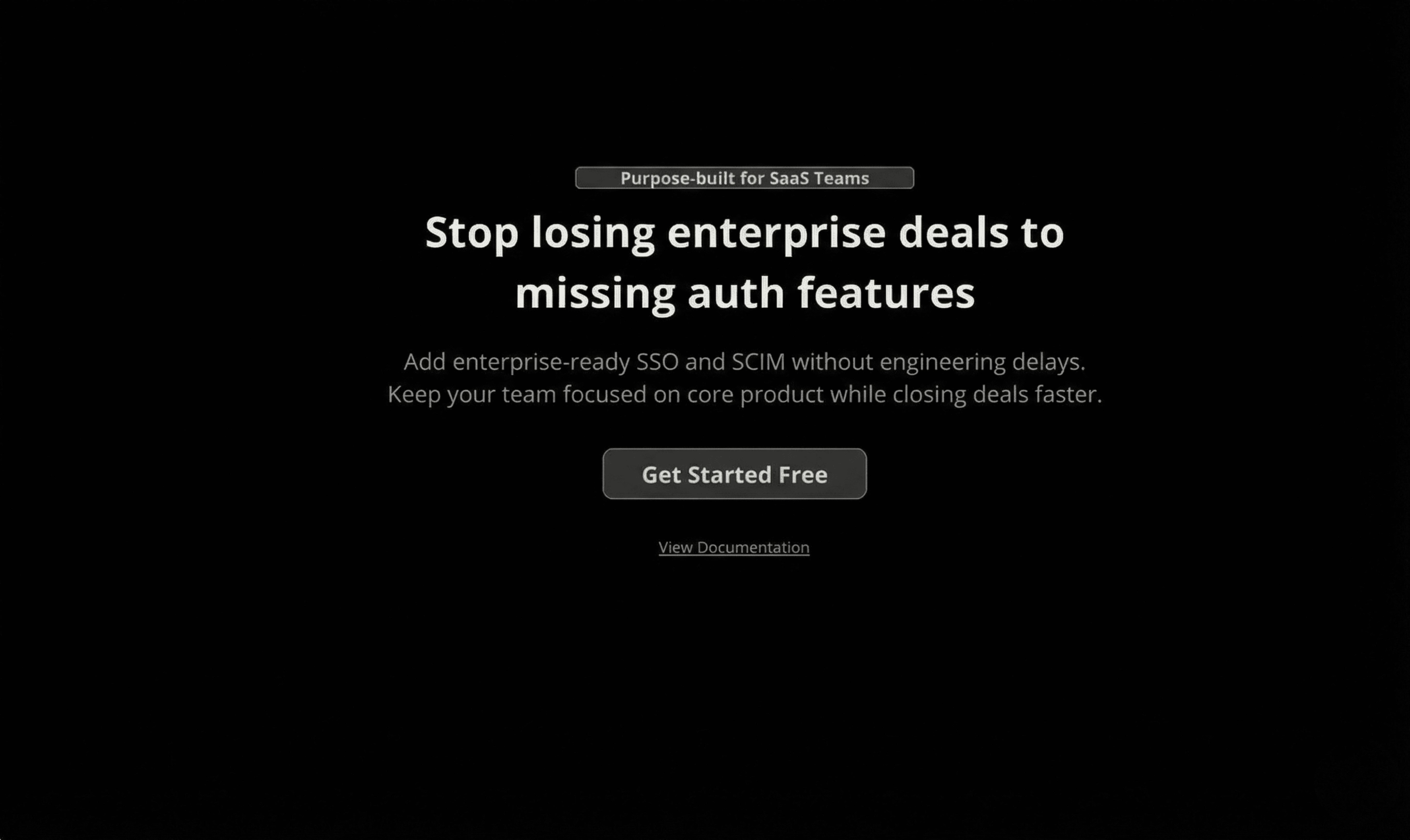
The winning version led with product category (headline) and competitive advantage (sub-headline).
The Impact
From Generic to Category-Defining

"
Before working together, we had a feature problem. After the engagement, we had a story. Our website now clearly communicates what makes us different, and our sales team actually uses the messaging in their calls. The ROI was immediate and measurable.
Satya Devarakonda | Founder
Scalekit